


AI-Powered Email and CRM Automation
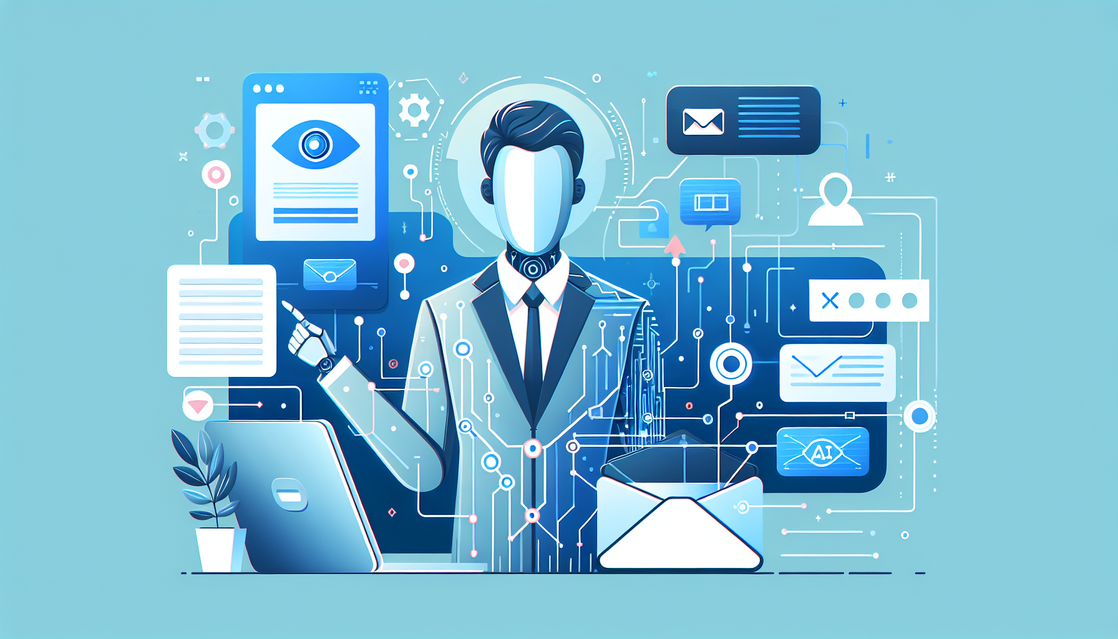
In today’s fast-paced digital world, businesses are constantly on the lookout for ways to streamline their operations and enhance customer engagement. One of the most transformative advancements in this space is AI-Powered Email and CRM Automation. By integrating artificial intelligence with customer relationship management (CRM) systems and email marketing, companies can boost productivity, personalize customer interactions, and increase sales efficiency.
Understanding the Basics of AI-Powered Email and CRM Automation
What is AI-Powered Email Automation?
AI-Powered Email Automation refers to the use of artificial intelligence technologies to manage and optimize email marketing campaigns. Unlike traditional automation, AI uses machine learning algorithms and natural language processing to analyze subscriber behavior and preferences to deliver highly personalized content at the right time.
- Behavioral Triggers: AI can identify when a user is most likely to engage and send emails accordingly.
- Content Personalization: AI tailors email content based on past interactions, demographics, and even predicted interests.
- Optimized Send Times: Machine learning algorithms determine the best times for sending emails to maximize open and click-through rates.
What is AI-Driven CRM Automation?
CRM automation helps businesses manage their customer data effectively, streamlining tasks such as lead scoring, customer segmentation, and follow-up scheduling. Incorporating AI elevates this by adding predictive analytics, sentiment analysis, and smart workflows backed by data insights.
- Predictive Lead Scoring: AI models prioritize leads most likely to convert based on historical data.
- Sentiment Analysis: AI analyses customer communications to gauge satisfaction and tailor responses.
- Automated Task Management: AI schedules follow-ups and reminders based on customer behavior patterns.
Why Businesses Need AI-Powered Email and CRM Automation
Implementing AI-Powered Email and CRM Automation allows businesses to save time and resources while significantly improving customer relations and sales outcomes. It eliminates repetitive manual tasks and creates scalable systems that adapt to customer needs dynamically.
- Enhances personalization and relevance in communication.
- Increases efficiency by automating routine tasks.
- Improves decision-making with data-driven insights.
- Boosts customer satisfaction and retention.
Key Features and Benefits of AI-Powered Email and CRM Automation
1. Advanced Segmentation and Targeting
AI automates the segmentation process by analyzing vast amounts of data like purchase history, browsing behavior, and engagement metrics. This helps create micro-segments for highly targeted campaigns rather than broad, generic messaging.
Example: A retail company can automatically send personalized discount offers to customers who frequently purchase athletic wear but haven’t bought anything in the past month.
2. Predictive Analytics and Forecasting
AI tools anticipate customer behavior, allowing marketers to forecast sales trends and customer lifetime value more accurately. This insight enables pro-active strategies rather than reactive ones.
3. Enhanced Customer Support with AI Chatbots and Automation
Integrating AI-powered chatbots into CRM systems can automate customer support by answering common queries instantly and escalating complex questions to human agents.
- 24/7 availability improves customer experience.
- Reduces response times and workload for support staff.
- Integrates seamlessly with CRM data to provide contextual responses.
4. Automated Workflow and Process Optimization
AI can automate workflows such as sending lead nurturing emails, following up on inactive customers, or notifying sales teams when a lead shows buying signals.
This automation optimizes resource allocation and improves conversion rates by ensuring timely, relevant contact with prospects.
How to Implement AI-Powered Email and CRM Automation in Your Business
Step 1: Choose the Right CRM and Email Automation Platform
Select tools that offer robust AI capabilities integrated with your current systems. Popular platforms include:
- Salesforce Einstein: AI layer adding predictive analytics and automation to Salesforce CRM.
- HubSpot: Combines CRM with AI-powered email workflows and lead scoring.
- ActiveCampaign: Known for advanced email automation and CRM integration driven by machine learning.
Step 2: Define Your Customer Journey and Automation Goals
Map out your customer touchpoints and identify areas where AI automation can add value, such as lead qualification, personalized messaging, and re-engagement campaigns.
- Identify key customer segments.
- Define the types of campaigns (welcome series, cart abandonment, upsell).
- Set measurable goals like open rates, click-throughs, or sales conversions.
Step 3: Integrate Data Sources for a Unified Customer View
Ensure that your CRM can ingest data from multiple channels like website activity, social media, and email metrics. AI works best with comprehensive, clean data to generate actionable insights.
Step 4: Develop AI-Driven Campaigns and Workflows
Use AI features to create dynamic content blocks, behavioral triggers, and personalized recommendations within your emails and CRM workflows.
Step 5: Monitor, Analyze, and Optimize Performance
Track KPIs and use AI-powered analytics to understand what’s working and where improvements are needed. Continuous learning and adaptation are key to maximizing the benefits of AI automation.
Common Challenges and How to Overcome Them
Data Privacy and Compliance
With growing concerns about data privacy (GDPR, CCPA), businesses must ensure AI automation respects local regulations. Use AI tools that have built-in compliance features and allow customers to manage their data preferences easily.
Data Quality and Integration Issues
AI systems require clean, well-structured data. Invest in data cleansing and implement solid integration solutions to avoid fragmented customer profiles that could muddy automation effectiveness.
Balancing Automation with Human Touch
While automation increases efficiency, maintaining authentic customer connections is vital. Use AI to handle routine tasks but ensure complex interactions have human oversight.
Conclusion
AI-Powered Email and CRM Automation represents a game-changing opportunity for businesses seeking to enhance their marketing and customer relationship strategies. By leveraging AI-driven personalization, predictive analytics, and efficient workflow automation, companies can achieve greater engagement, higher sales conversions, and improved customer satisfaction.
Embracing this technology not only saves time and resources but also creates scalable and adaptable systems to keep you ahead in a competitive market. Start exploring AI-Powered Email and CRM Automation today and transform how you connect with your customers!
Meta description: Discover the benefits and strategies of AI-Powered Email and CRM Automation to boost your business efficiency, personalize customer engagement, and drive sales growth through smart automation technology.

Kamran Afzal is a passionate programming mentor dedicated to helping aspiring developers become proficient in Drupal. With extensive industry experience, Kamran is committed to sharing his knowledge and guiding learners from beginner to advanced levels. His YouTube channel, Programming Mentor, offers clear and engaging tutorials on a variety of topics. Skills: Drupal 9, 10, 11, PHP frameworks, AWS, React, Angular, Node.js, MySQL, Apache, Nginx, Apache Solr, Elasticsearch, Memcache, REST API, Git, Twig

0 Comments